Surface treatment of aluminium by anodic oxidation. Requires a controlled, constant high voltage.
Micronics Systems designs rectifiers suited to this process: controlled voltage, reliable current and sustained performance, even on the most demanding lines.
Anodising is a surface treatment ofaluminium by anodic oxidation. What makes it distinctive: unlike electroplating, no metal is deposited from outside — instead you grow an oxide layer out of the metal itself. The part is connected as the anode (hence the name), and its surface turns into a protective layer that is part of the component.
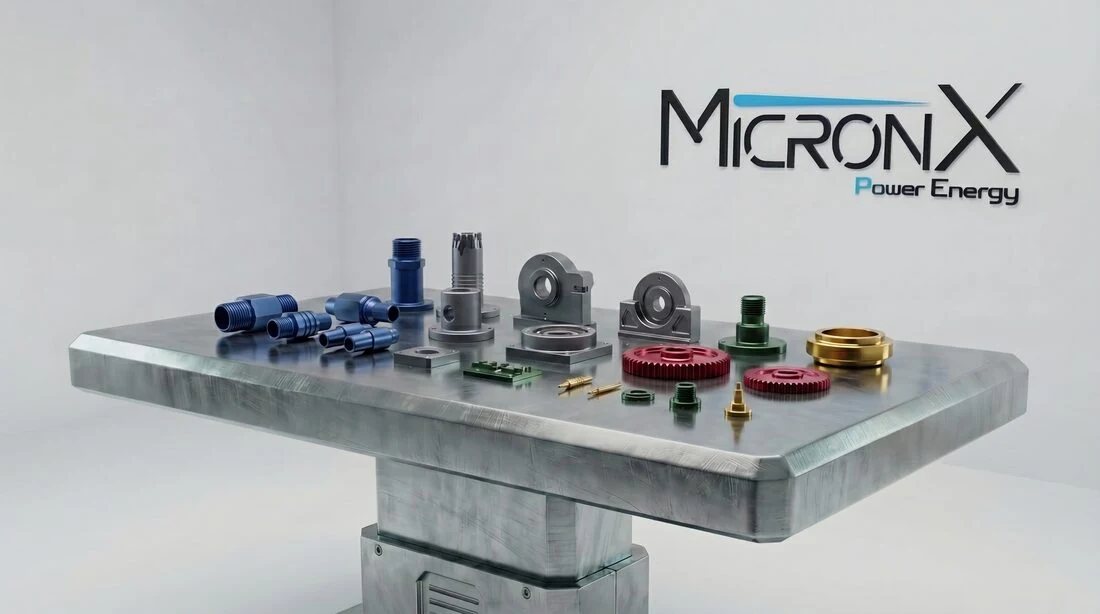
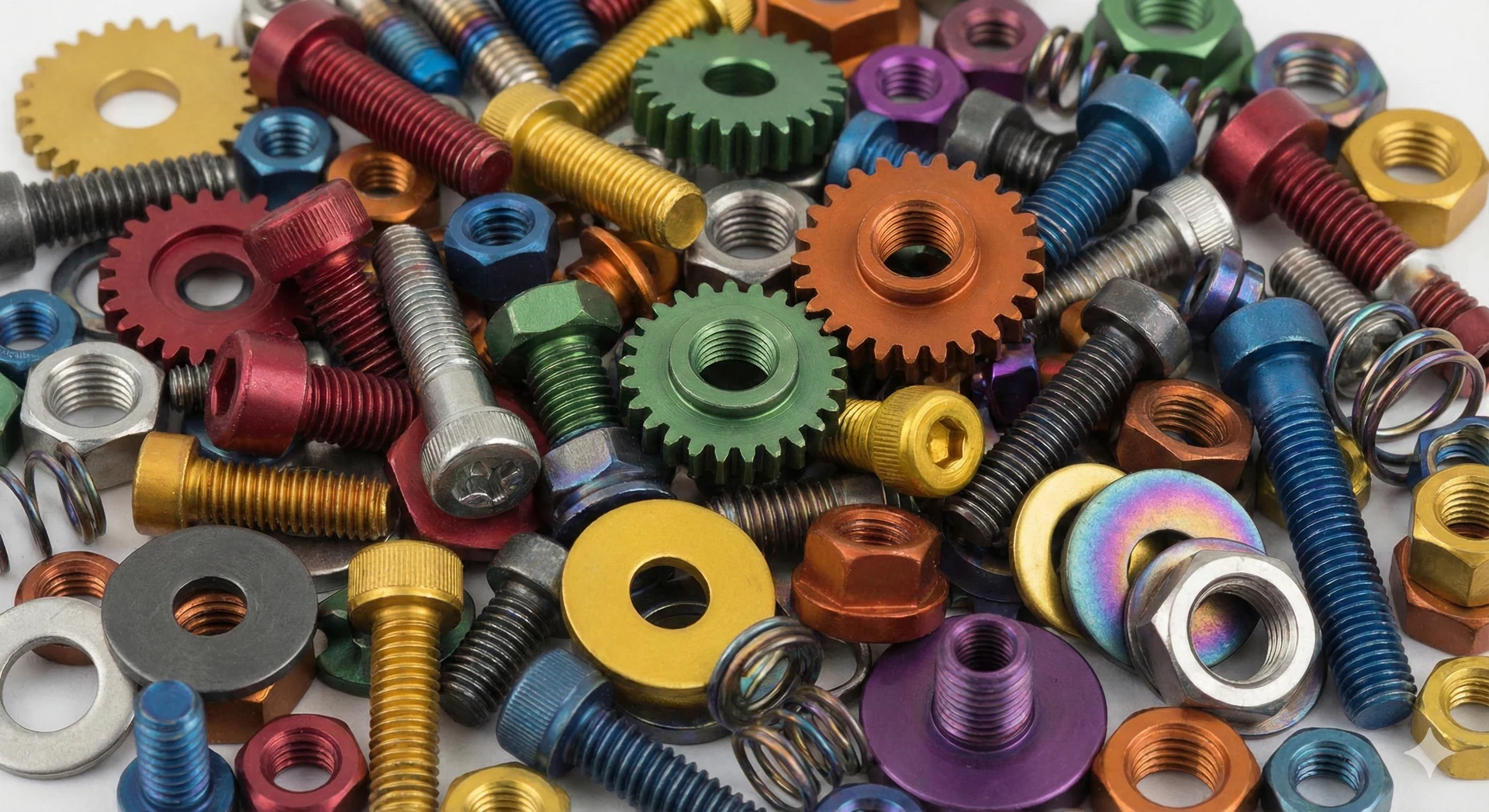
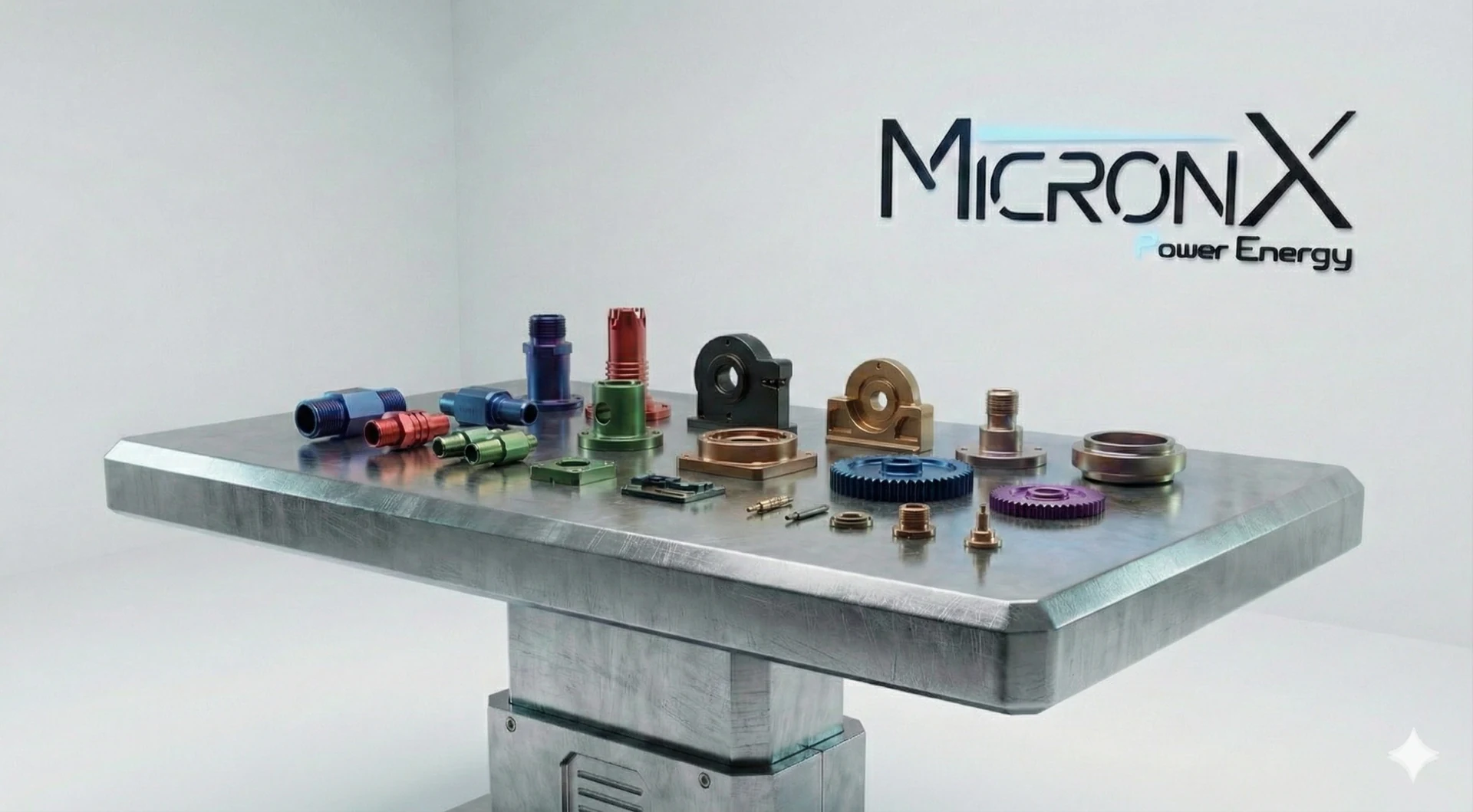
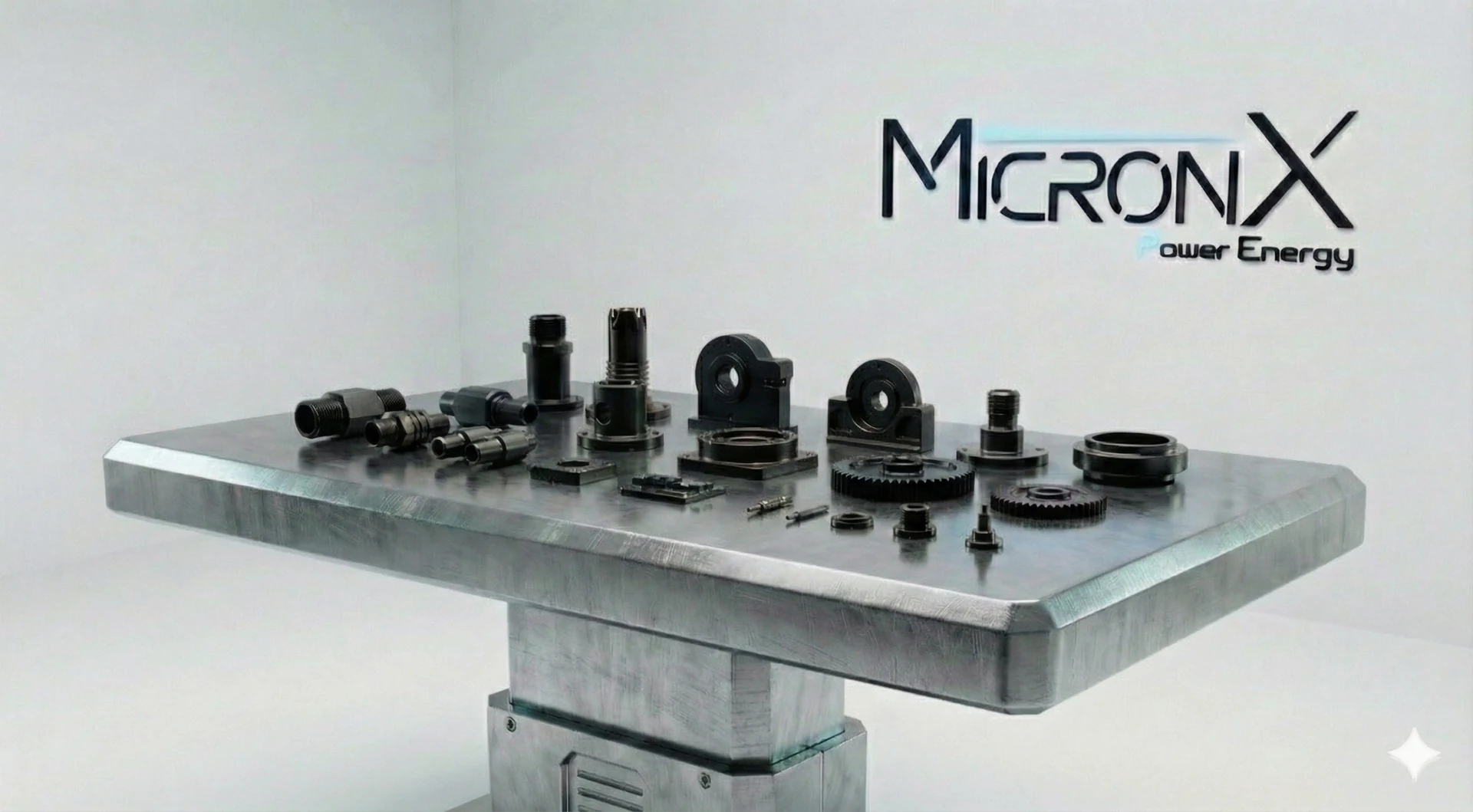
This oxide layer is hard, corrosion- and wear-resistant — and above all porous before the final step. That porosity allows it to be coloured (blue, red, green, black, gold…) before being sealed to lock in the colour. That is what produces the coloured parts shown above.
Anodising is used in aerospace, in architecture, in industry and in consumer products. The process runs at high voltage, which must be controlled and constant to obtain an even layer.
Degreasing and pickling of the aluminium for a sound surface.
Under controlled high voltage, the oxide layer builds up.
The porous layer is dyed to the required colour (optional).
Sealing closes the pores and fixes the colour permanently.
There is no anodising at all without direct current: the comparison is about the quality of that current, between a supply that fluctuates and a regulated rectifier.
Anodising stands out for its high working voltages, higher than most electroplating processes. The thickness and consistency of the oxide layer — and therefore its resistance and its ability to take an even colour — depend directly on how well that voltage is controlled.
Micronics rectifiers deliver a high, stable and precisely controlled voltage, with controlled ramp-ups. That guarantees a uniform anodic layer, even colouring from one part to the next, and quality that meets the strictest requirements, aerospace in particular.
Our experts support you from study through to commissioning.